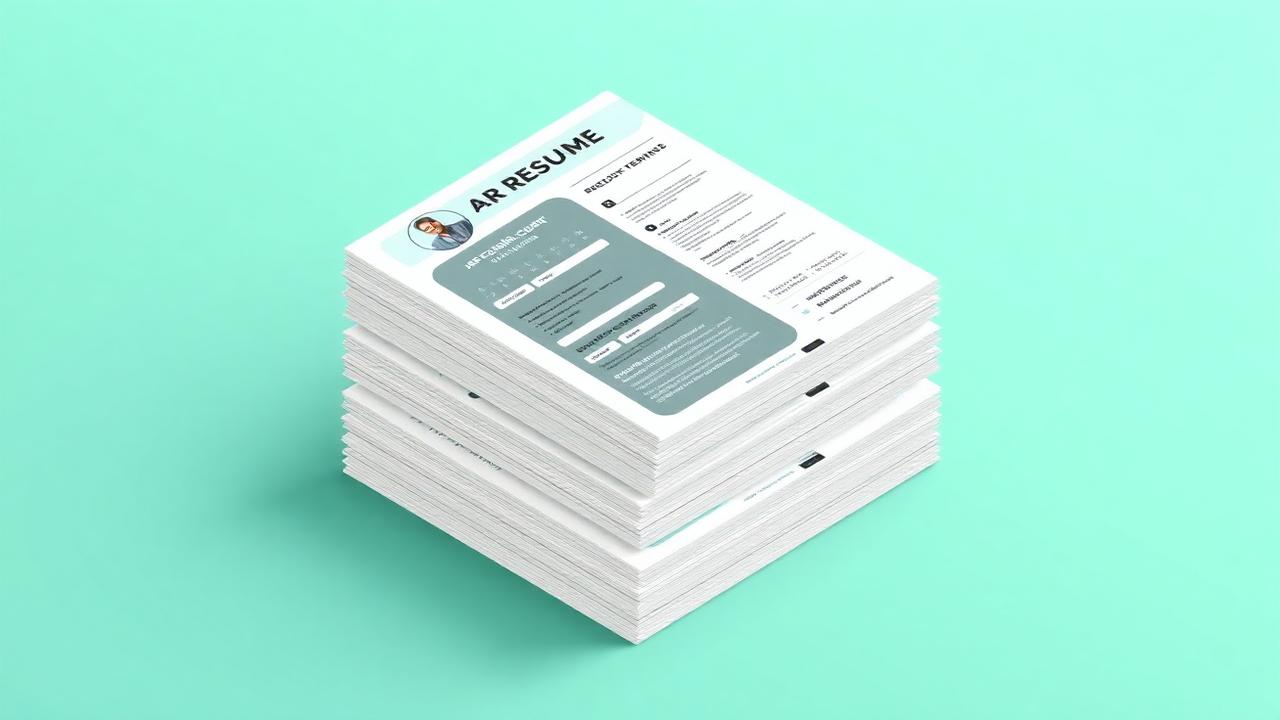
The right template saves you hours and protects you from formatting errors. But many popular 'professional' templates are full of columns and graphics that confuse tracking systems. Here we explain how to tell a safe template from a risky one.
Traits of a Compatible Template
- A single column flowing top to bottom.
- Standard fonts and readable sizes.
- Clear, text-based section headings.
- Enough white space without crowding.
What to Avoid in Templates
Steer clear of templates that show skills as graphical bars, rely on two columns, or hide contact details inside graphics. These elements look modern but can make your resume machine-unreadable.
Simplicity isn't a lack of creativity; it's strategic intelligence: a clean template arrives, a cluttered one gets lost.
💡 Pro Tip
Start with a ready ATS-friendly template using the ResumeAce resume builder, and tailor its content to each job with ease.
✅ Key Takeaways
- Traits of a Compatible Template
- What to Avoid in Templates
Frequently asked questions
Are free templates enough?+
Yes, if they're simple and compatible. What matters is the structure, not the price.
Should I change the template for each job?+
No need to change the template; instead tailor the content and keywords for each job.
Is a template with icons bad?+
Decorative icons are fine as long as the core text is readable without them.